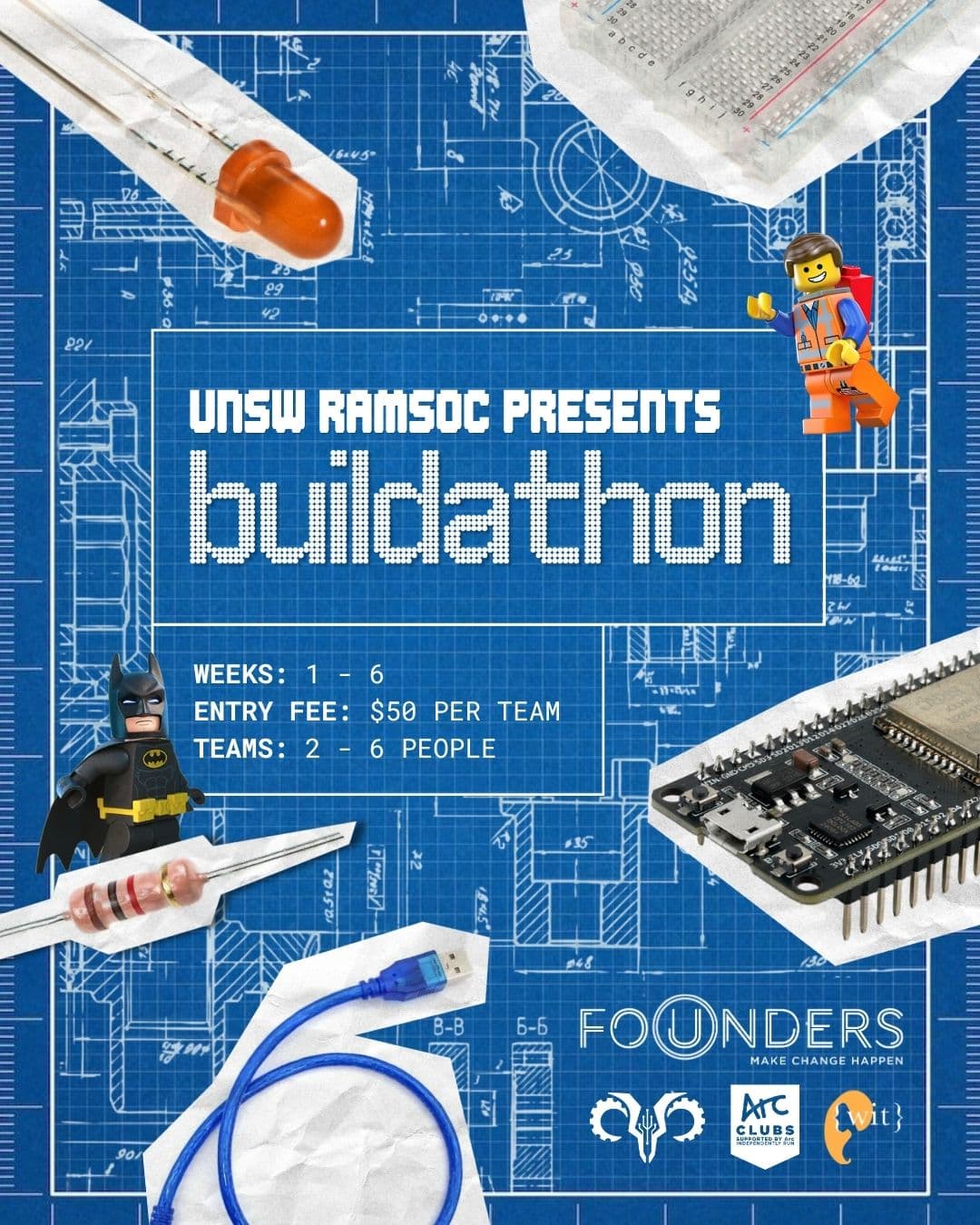
UNSW RAMSoc presents
buildathon 2026
Build something that matters, like a solar tracker, a flood warning beacon, a water-quality buoy, or whatever the brief calls for.
A six-week mechatronics hackathon. Form a team, get a kit, and build something to the brief. No experience needed.
- Weeks
- 1 – 6
- Entry fee
- $50.00 per team
- Teams
- 2 – 6 people
Key dates
Project deadline: Fri, 23 Oct, 10:00 am.
The brief is live
Three problem statements · Environmental monitoring and remediation
Section A · Overview
What is Buildathon?
Six weeks, one brief, and whatever you can build with it. Buildathon is RAMSoc's hardware hackathon, closer to a term-long project than a weekend sprint, and open to everyone regardless of degree or experience.
- 01
Form a team
Two to six people. Register solo and find a team, or create one and share your join code.
- 02
Get the brief and a kit
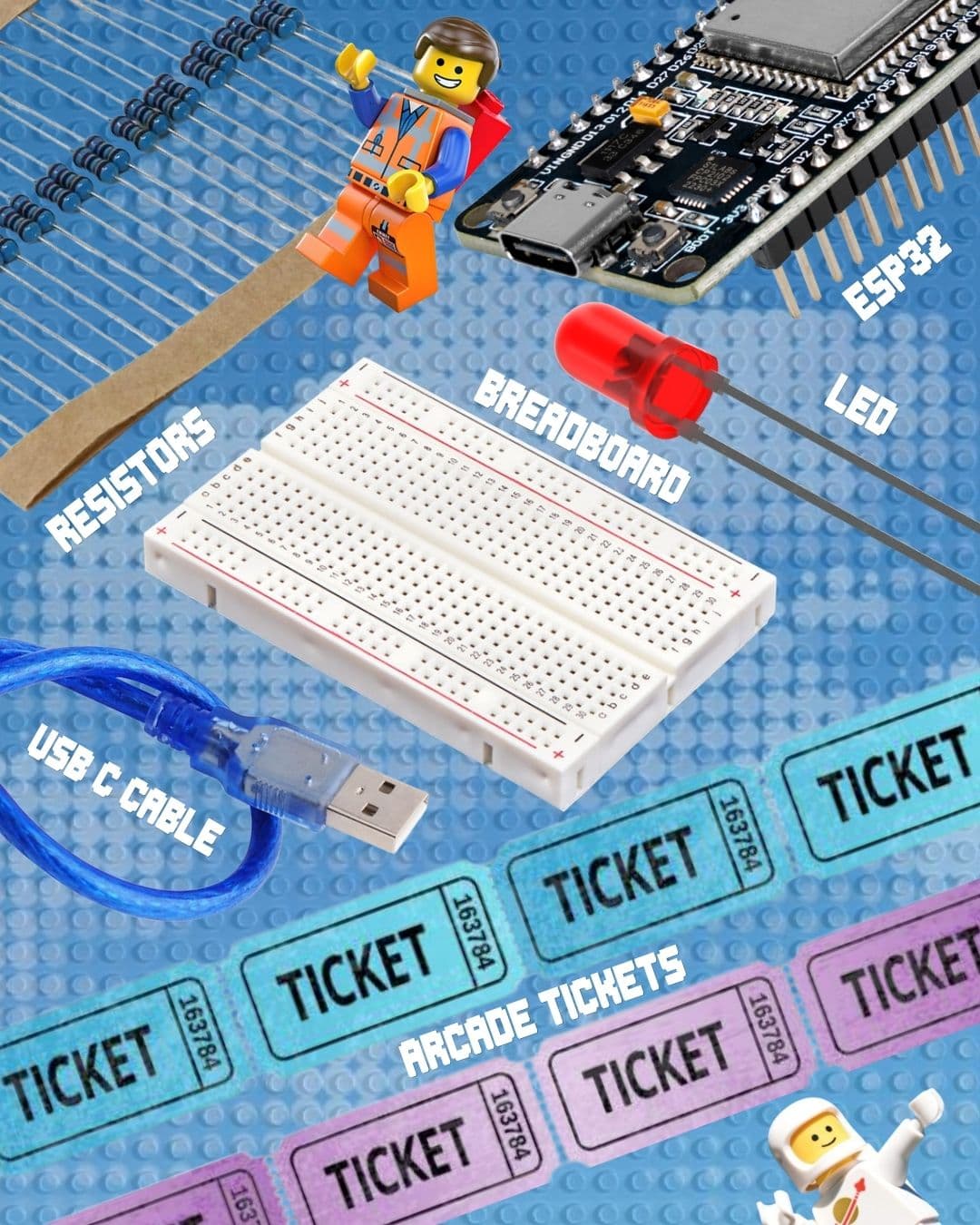
The brief is announced on kick-off night, along with your kit: an ESP32, a breadboard and a handful of components to start from.
- 03
Learn each week
Workshops on CAD, microcontrollers and PCB design. Attend to earn tickets for the component shop.
- 04
Build it
Two weeks of open makerspace time with mentors, 3D printing and laser cutting on hand.
- 05
Present
Show the judges what you made on presentation night in Week 6. Prizes on the night.
No team yet?
Find a team
You do not need to know anyone to enter. Plenty of people sign up on their own and pair up in the first week. Teams are 2 to 6 people.
- 01
On the Discord
Post in the team-finding channel with what you are interested in building. Captains with space will come to you.
- 02
In person at the kick-off
Come to Week 1 (15 Sep, Tuesday at MCIC). We run a team-forming session on the night, so turning up alone is completely normal.
Section B · Schedule
Timeline
Sessions run Tuesday and Wednesday evenings through Weeks 1 to 6. Rooms marked TBC are still being confirmed.
- 1
Week 1
14th Sept
Event Kick Off
Tuesday
Colombo Theatre A · 5:30 - 8:00pm
- 2
Week 2
21st Sept
CAD Workshop
Tuesday
Ainsworth 203 · 6pm - 8pm
Thursday
Ainsworth 203 · 6pm - 8pm
- 3
Week 3
28th Sept
ESP32 + PCB + MCIC Workshops
Tuesday
TBC · 6pm - 8pm
Wednesday
TBC · 6pm - 8pm
Friday
Ainsworth 203 · 4pm - 6pm
- 4
Week 4
5th October
Build Sessions
Tuesday
MCIC Makerspace · 6:00pm - 8:00pm
Wednesday
MCIC Makerspace · 3:00pm - 5:00pm
- 5
Week 5
12th Oct
Build Sessions
Tuesday
MCIC Makerspace · 6:00pm - 8:00pm
Wednesday
MCIC Makerspace · 3:00pm - 5:00pm
- 6
Week 6
19th Oct
Build Sessions + Final Showcase
Tuesday
MCIC Makerspace · 6:00pm - 8:00pm
Wednesday
MCIC Makerspace · 3:00pm - 5:00pm
Friday
Prince Henry Centre · 1:30pm - 5pm
Section C · Reference
Resources
Slides and recordings for each workshop. Some are carried over from previous years and cover the same ground; 2026 material is added as each session runs.
The brief
Workshop material
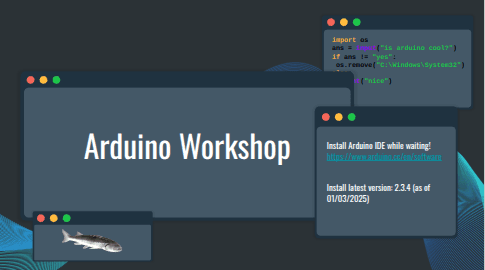
Arduino Workshop Slides
Introduction to the Arduino IDE and the ESP32.
Open slides(opens in a new tab)
Introduction to CAD
Basic CAD using Onshape, from sketch to printable part.
Watch(opens in a new tab)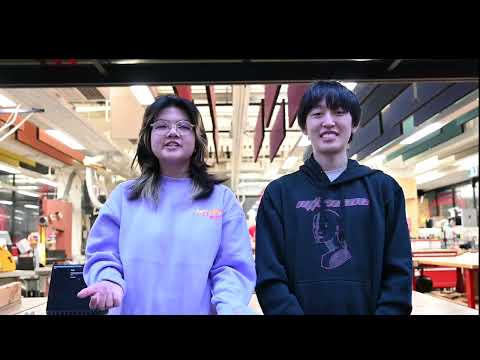
Motor Control
Using an Arduino and the L298N motor driver to get your motors spinning.
Watch(opens in a new tab)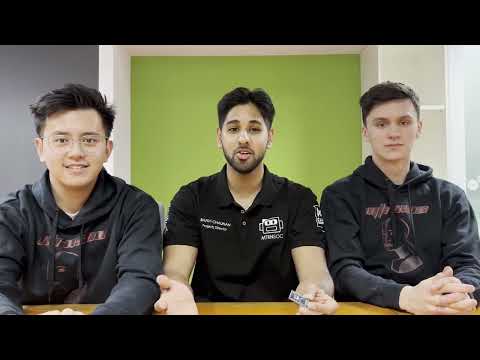
Arduino Basics
The basics of getting code written and uploaded to your board.
Watch(opens in a new tab)Before you start
Arduino IDE
Install the Arduino IDE before the first workshop so you are ready to flash.
Open(opens in a new tab)ESP32 Pinout Reference
Which pin does what on the ESP32 dev board in your kit, and which ones to avoid.
Open(opens in a new tab)Troubleshooting
'LED_BUILTIN' was not declared in this scope
The ESP32 board definition does not define LED_BUILTIN. Replace it with the pin number directly. On most ESP32 dev boards that is 2.
Board is not in download mode / upload times out
Hold the BOOT button on the board while the upload starts, and release it once the IDE reports 'Connecting...'. Some boards need you to tap EN at the same time.
Flash corruption or garbled serial output
Set Flash Frequency to 40MHz and Upload Speed to 115200 in Tools, then re-upload. Faster speeds are unreliable on long or thin USB cables.
Section D · Notes
FAQ
What is Buildathon?
Buildathon is a six-week mechatronics hackathon run by UNSW RAMSoc. Teams work to a provided brief, get a hardware kit to start from, and have access to a component shop throughout the competition. It finishes with a presentation night in Week 6 where judges pick the winners.
What is the brief?
The 2026 brief is out, and it is available to read now. It sets three problem statements around environmental monitoring and remediation. It is deliberately wide: you pick the problem you want to solve, and the judges look at how well your build actually addresses it.
Read the brief(opens in a new tab)Who can enter?
Anyone. University students of any degree and any year, and high school students too. You do not need to be studying mechatronics, or to have touched a microcontroller before. The weekly workshops start from the basics.
How big are teams?
Between 2 and 6 people. You can register on your own and use the team browser to find others, or create a team and share your join code with people you already know.
I do not know anyone. Can I still enter?
Yes, and a good number of people do. Register on your own, then find a team either on the Discord, where there is a channel for exactly this, or in person at the Week 1 kick-off, where we run a team-forming session on the night. You can also browse existing teams from your dashboard and ask a captain for their join code.
How much does it cost?
$50 per team, not per person. Your team captain pays once through the dashboard after the team has at least 2 members. The fee covers your hardware kit and the shop credit you start with.
Is there a limit on how many teams can enter?
Yes. Kits, mentors and the makerspace only stretch to 60 teams, so entry closes once 60 teams have paid, whether or not the registration deadline has passed. The homepage shows how many slots are left once it is down to the last handful. Forming a team does not hold a slot; paying the entry fee does.
What is in the kit?
An ESP32 development board, a breadboard, an assortment of resistors and LEDs, and a USB cable. That is enough to get a working prototype going on night one. Anything beyond that comes from the shop.
What is the shop?
A stall run at each session where you spend tickets on extra components such as motors, sensors and drivers. If you buy something and end up not needing it, you can trade the component back for a refund of its ticket cost.
How do I earn tickets?
Your team earns a ticket for attending a RAMSoc workshop, capped at one per week even if you come to both sessions that week. Additional tickets are raffled at the UNSW Founders workshops.
Can I use my own components?
Yes. You just have to declare them. Submit an itemised list of any external components with your final build so the judges are comparing like with like.
How much time should I expect to put in?
Plan for more than two hours a week. The scheduled sessions are two hours, and most teams do work outside them, particularly in Weeks 4 and 5.
Do I need to come to every session?
No, but the workshops are where you earn tickets and where the mentors are, so teams that show up consistently tend to build more. Build sessions in Weeks 4 and 5 are open makerspace time.
What tools will I have access to?
3D printing and laser cutting through the MCIC Makerspace, plus the usual hand tools and soldering equipment during build sessions.
Can my team win more than one prize?
Teams can only win one prize, with the exception of People's Choice, which can be won alongside another award.
When is the build due?
Your build needs to be finished for the closing presentations on Friday of Week 6, 23 October.
I have never done any of this before. Is that a problem?
Not at all. A good share of every cohort is in exactly that position. The workshops run from first principles, and mentors are on hand at every build session.
Section E · Acknowledgements
Supported by








Further support
If you need immediate support, or you are feeling overwhelmed by stress or anxiety, these services are free, confidential and anonymous.
UNSW mental wellbeing support
In an emergency, call 000.
- Mental Health Support Line (24/7): (02) 9385 5418
- After-hours SMS support: 0485 826 595
- UNSW Student Support
For anyone in Australia
- Lifeline: 13 11 14
- Mental Health Line: 1800 011 511
- Beyond Blue
- Kids Helpline